
Techniques
COAL OR CHARCOAL
Excellent for expressive portraits and dramatic shading. The oldest artistic medium in the world.
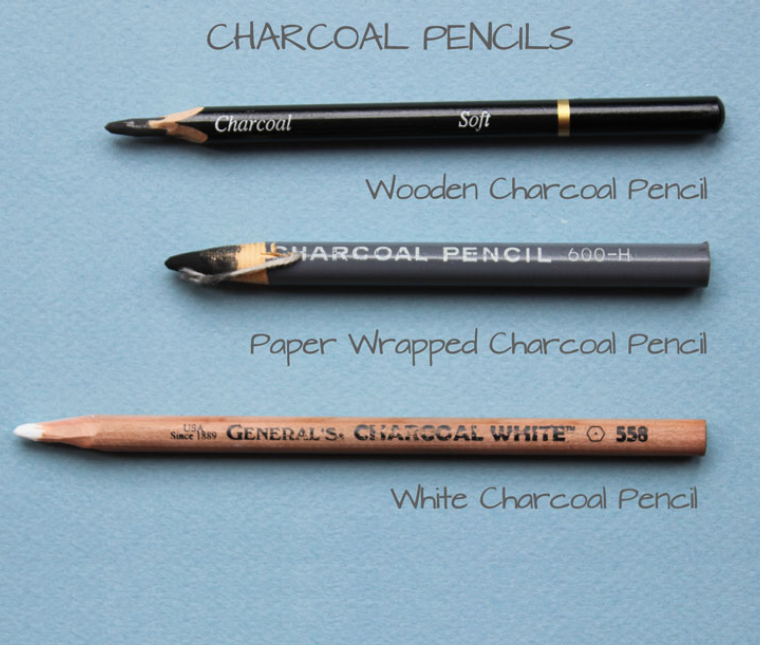
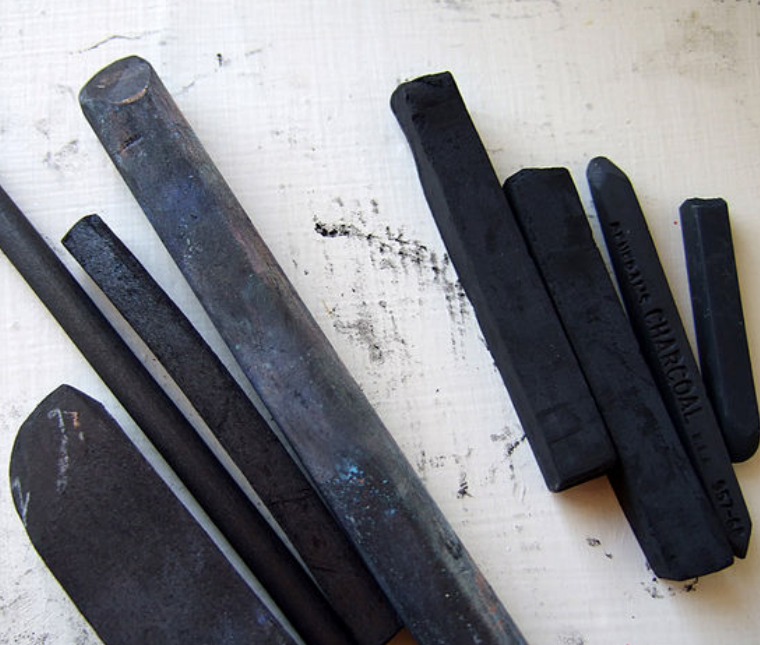
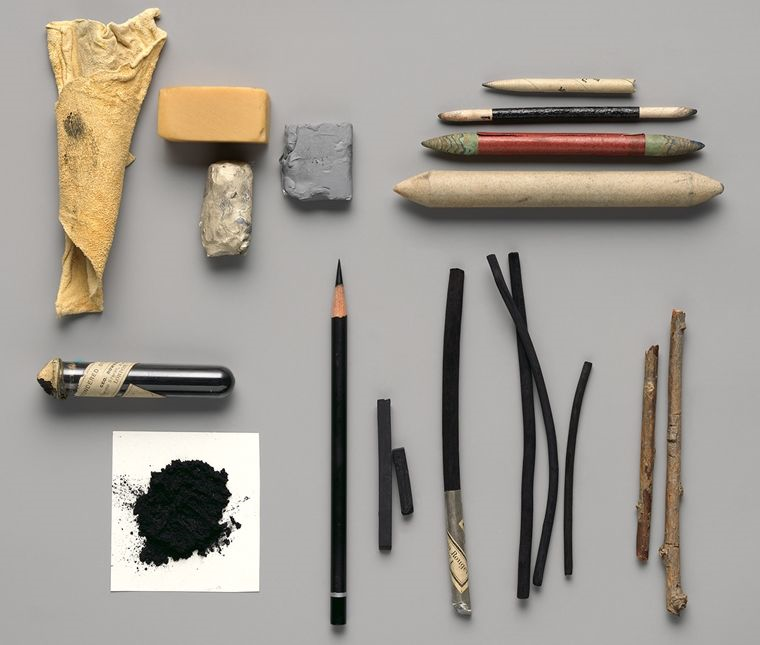
Coal or charcoal is a profoundly versatile medium, capable of producing both hyperrealistic and highly expressive drawings. Its intense darkness and wide range of shades allow for dramatic contrasts impossible to achieve with graphite pencil.
Considered one of humanity's oldest drawing materials, charcoal continues to be a favorite among contemporary artists. It can be found in powder, compressed, or stick form, and each presentation offers a distinct style of line and texture.
Its ability to convey emotions directly makes many portraits look even more alive than photographs.
Artistic charcoal is not the common coal used for cooking. Although they share the origin in burnt wood, artistic charcoal is manufactured through a slow carbonization process, traditionally using vine or willow wood. This method produces a light, soft, deep, and controlled material.
Thanks to its tonal power and the gestural freedom it allows, charcoal has been featured in some of the most striking and detailed works of artistic drawing.
MATERIALS
What are the materials used for drawing with charcoal?
To work with charcoal, vegetable or compressed charcoal sticks, charcoal pencils, blending stumps, chamois, dry brushes, kneaded erasers, and spray fixatives are used. The paper is usually medium or rough grain, as its texture allows it to better trap the pigment.
INTERESTING FACT
From cave paintings to the Renaissance.
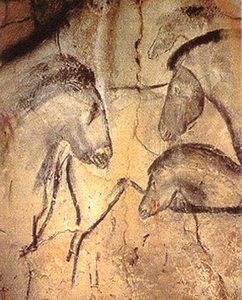
Charcoal has accompanied humans since the first artistic manifestations. In the Niaux caves in France, prehistoric drawings made with vegetable charcoal approximately 12,000 years ago are preserved. They depict bison, horses, and ibex with surprising precision for their age.
FEATURED ARTISTS
John Singer Sargent | George Richmond
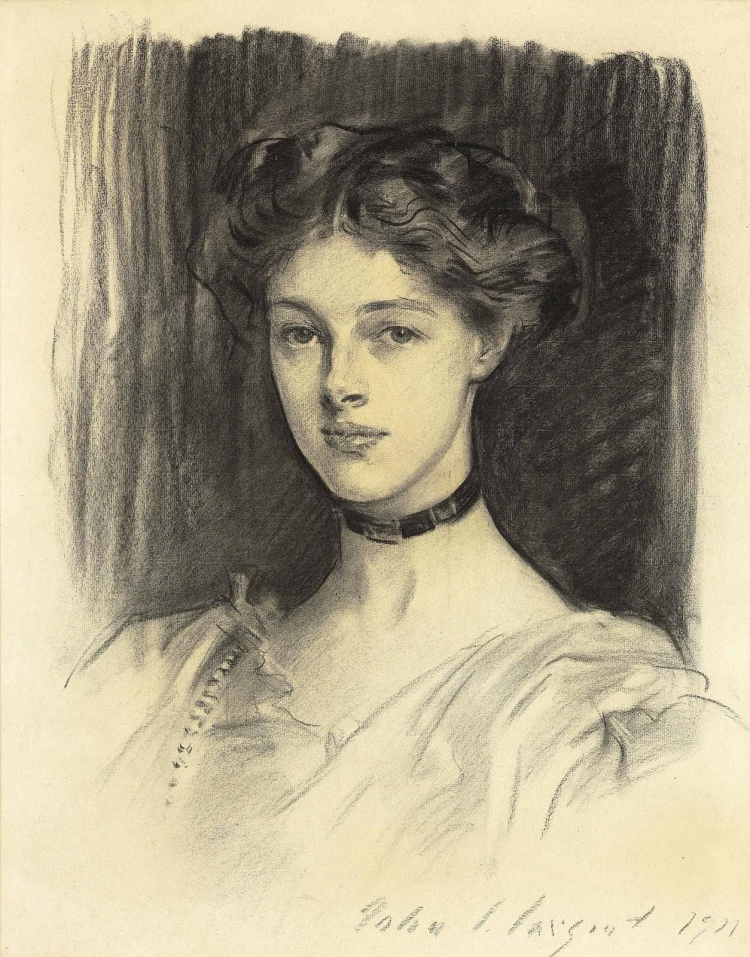
Eva Katherine Balfour, later Lady Buxton, 1911. (Sargent)
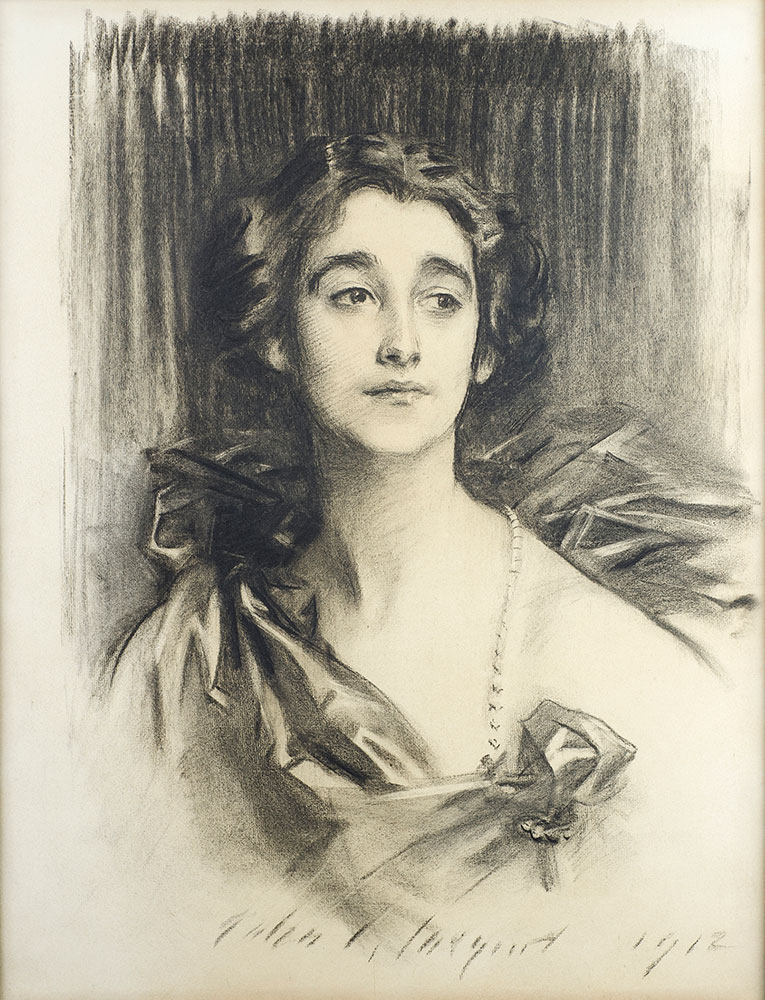
Marchioness of Cholmondeley (Sybil Sassoon),” charcoal on paper, 1912. (Sargent)
John Singer Sargent
John Singer Sargent (1856-1925), one of the most sought-after portraitists of his generation, stopped painting large-scale oil portraits around 1907 and began taking commissions almost exclusively in charcoal. These portraits, although less known than his oils, are a substantial part of his work and demonstrate his mastery and psychological sensitivity.
Main Characteristics:
- Speed and efficiency: Sargent could complete a charcoal portrait in a single session of two or three hours, unlike the multiple sessions required for oils.
- Virtuoso technique: His drawings show a mastery of chiaroscuro and a delicate balance between detail and simplification. He used techniques such as blending and erasure (with bread crumbs) to vary textures and create brilliant highlights.
- Spontaneity and immediacy: The portraits capture a sense of immediacy and freshness, with detailed faces and the rest of the body and clothing blurring into the background.
- Use of paper: He preferred French handmade paper, often using the sheen of the untouched paper for light tones and bold brushstrokes for shadows and the background.
- Diverse subjects: He portrayed hundreds of people from his wide social circle, including aristocrats, artists, writers, politicians, and social luminaries such as Winston Churchill, Henry James, and W.B. Yeats.
His shift to charcoal allowed him to satisfy the constant demand for portraits in a quicker and less demanding way, while dedicating more time to other art forms like landscapes and watercolors.
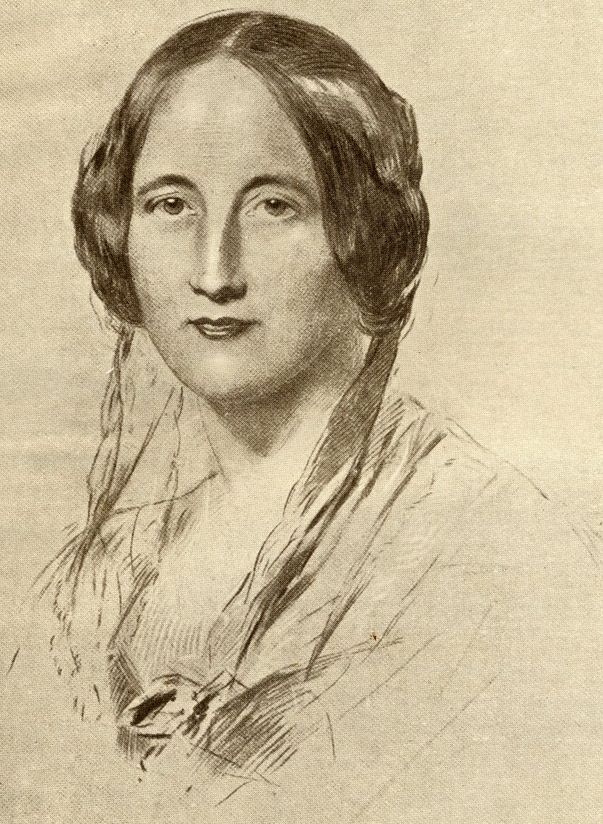
Elizabeth Cleghorn Gaskell, 1810–65. (George Richmond)
George Richmond
George Richmond (1809-1896) was an influential English painter and portraitist, whose career spanned from the visionary romanticism of his youth to successful social portraiture during the Victorian era.
Career Summary:
- Los "Ancients" y William Blake: In his youth, Richmond was a key member of "The Ancients", a group of artists strongly influenced by the visionary work of William Blake, whom he deeply admired. Alongside friends like Samuel Palmer and Edward Calvert, he painted landscapes and poetic and religious subjects.
- Shift towards portraiture: Around 1830, after getting married and needing stable income, Richmond abandoned this style and dedicated himself to portraiture. He became one of the most prolific and sought-after portraitists in Victorian society.
- Portraitist of the elite: Over the following decades, he painted approximately 2,500 portraits of prominent figures, including royalty, aristocrats, politicians, and cultural figures such as William Wilberforce, John Ruskin, and Gladstone. His focus was to capture "truth told with love" without resorting to flattery.
- Recognition and legacy: He was elected a member of the Royal Academy of Arts in 1867 and held the position of Slade Professor of Fine Art at the University of Oxford. His son, Sir William Blake Richmond, also became a notable painter.
Richmond is remembered for his technical skill, his vast social influence, and his transition from a young, visionary artist to a pillar of the British artistic establishment.
PASTEL
Drawn “Painting”.
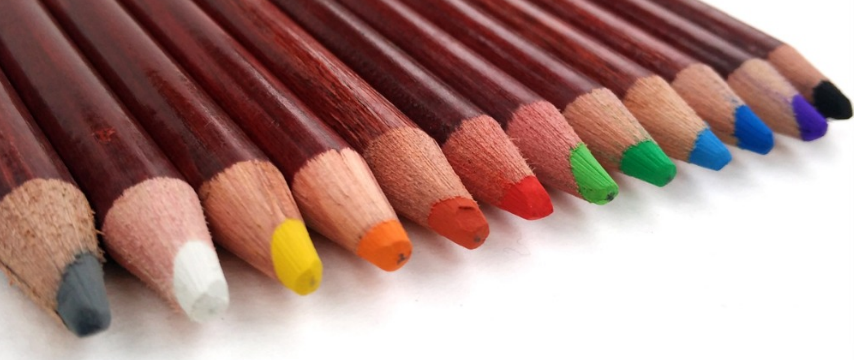
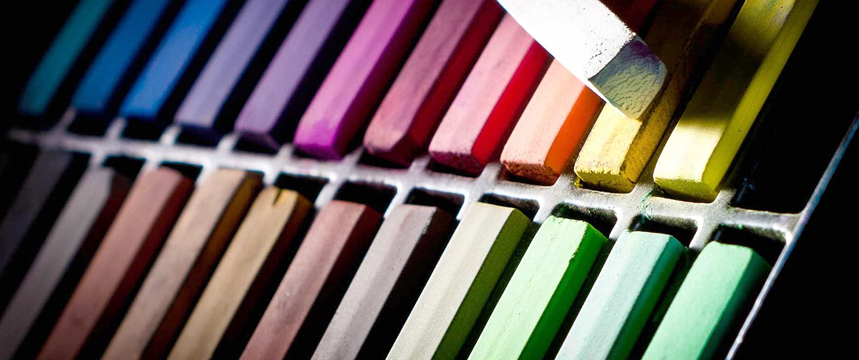
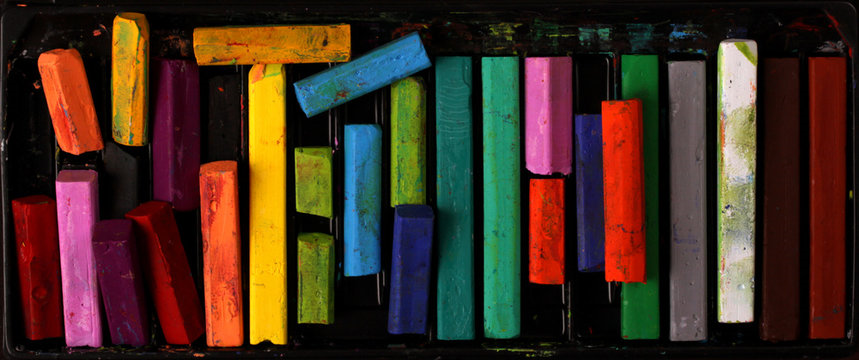
Many people know pastels as simple colored chalks, but this medium is one of the richest and most demanding in art. What started as a school tool eventually became one of the preferred techniques of great masters.
During the Renaissance, artists like Leonardo da Vinci and Michelangelo used natural chalks for drawing, which gave rise to modern pastel. Initially developed in northern Italy in the 16th century, pastel is made with pure pigments mixed with gum arabic or glue to form soft, highly pigmented sticks.
At first, pastels were only available in red, black, and white, but today there are more than 1600 different shades. This allows for the creation of works full of life, with intense colors and a unique velvety finish.
Due to its ability to blend colors directly onto the support, pastel combines the spontaneity of drawing with the chromatic richness of painting, becoming a perfect bridge between both worlds.
MATERIALS
What are the materials used for drawing with Pastel?
Artists working with pastel use soft pastel sticks, hard pastel, or oil pastel, along with special textured papers (artistic sandpaper, velvety paper, or pastelmat). Blending stumps, fixatives, and sponges are also used to control the application of the pigment.
INTERESTING FACT
A difficult technique to master.
Although pastel is often associated with beginners, it is actually one of the most difficult techniques to master. Its soft appearance hides a complex medium that demands tonal control, subtle blending, and precision. In the hands of an experienced artist, pastel can achieve exceptional levels of depth and expressiveness.
The result is also extremely durable: there are 18th-century pastel portraits that retain their chromatic vibrancy as if they had been created yesterday.
FEATURED ARTISTS
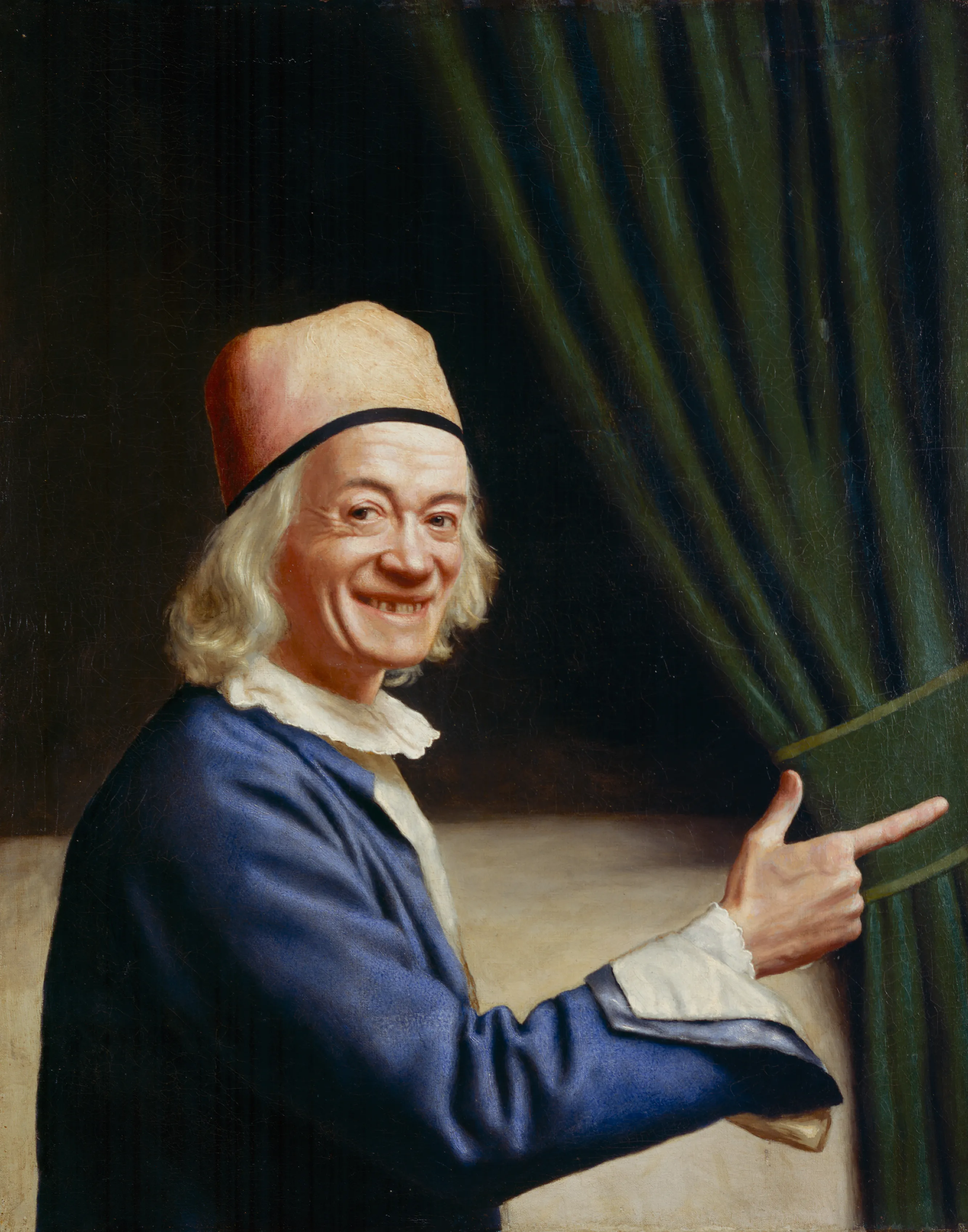
Jean-Étienne Liotard | Edgar Degas
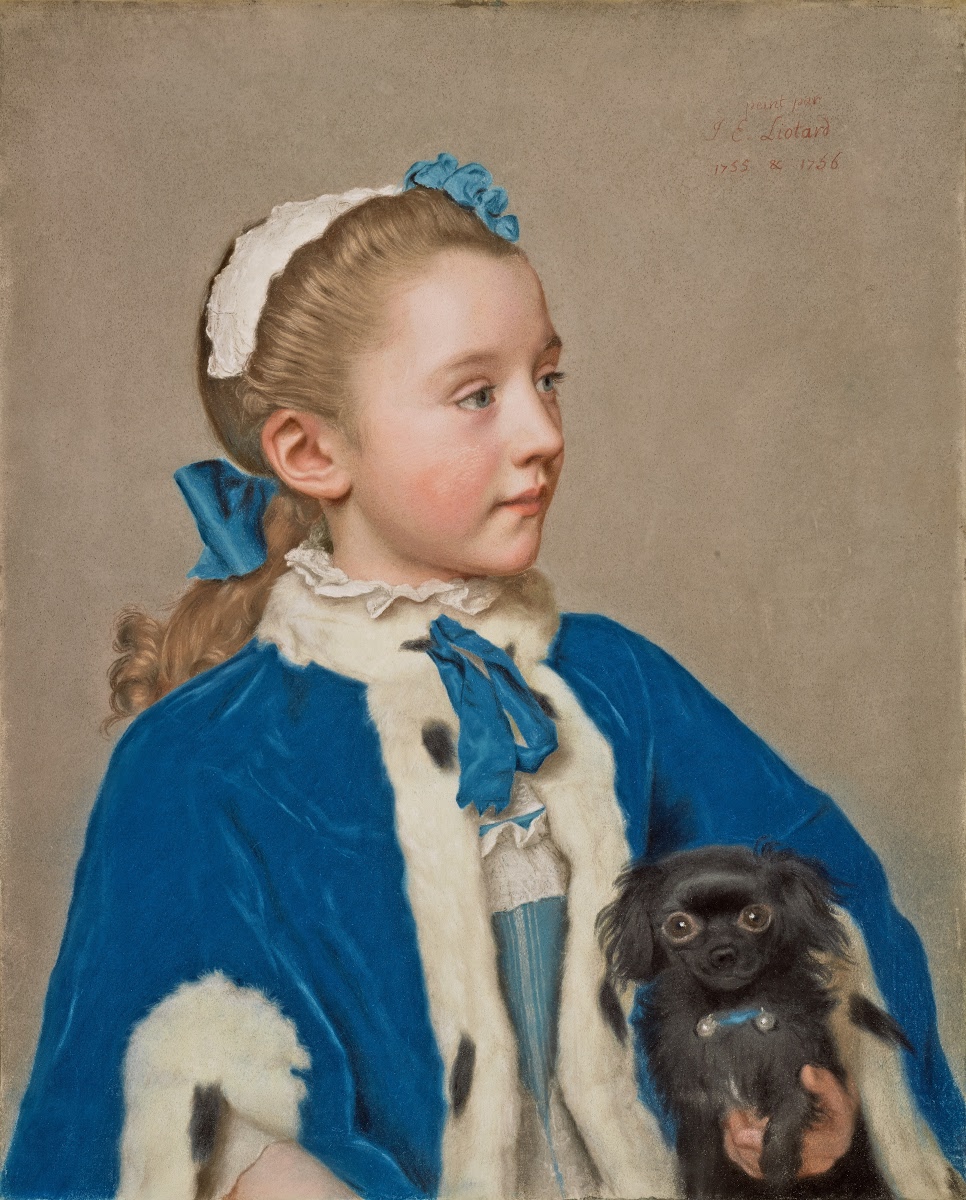
Maria Frederike van Reede-Athlone at 7 years old, 1755 or 1756. (Liotard)
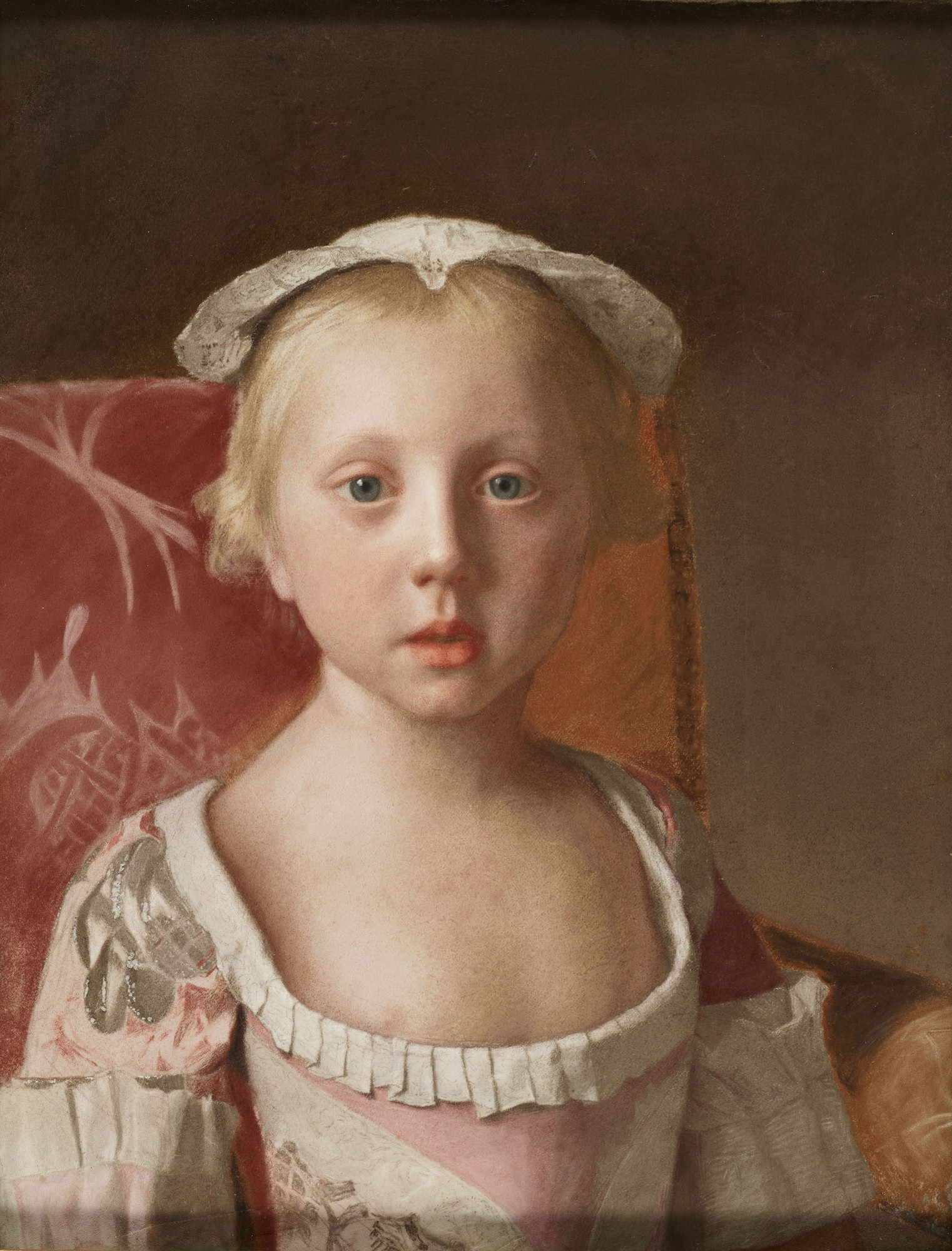
Princess Louisa of Great Britain, 1749-1768. (Liotard)
Jean-Étienne Liotard (1702-1789)
Jean-Étienne Liotard (1702-1789) was a prominent 18th-century Swiss painter, known for his realistic portraits, his mastery of the pastel technique, and his travels to the East.
Featured Works and Style:
- Pastel technique: He was an undisputed master of pastel, a medium that allowed him to achieve vibrant colors and velvety finishes.
- Realism: His works are characterized by notable realism and a frankness that sometimes surprised his clients.
His legacy endures as that of a cosmopolitan artist who combined technical precision with a personal and objective vision of his models.
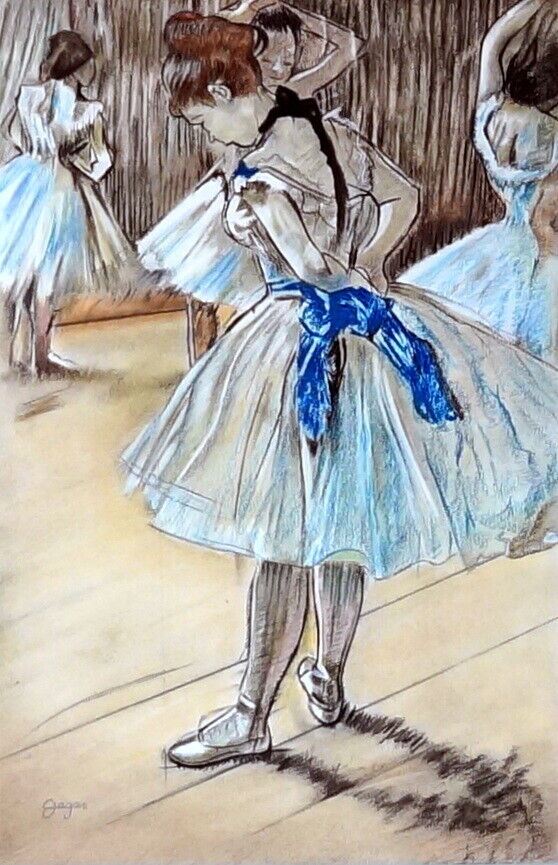
Ballet Dancer, c. 1880 (Edgar Degas)
Edgar Degas (1834-1917)
Edgar Degas (1834-1917), a central figure of Impressionism (although he preferred to be called a realist or naturalist), is widely considered the most important master in the use of the pastel technique in the history of art.
Mastery of Pastel:
- Mixed Technique and Experimentation: Degas did not limit himself to rubbing dry pastel. He constantly experimented, often grinding the pastel sticks and mixing them with water, gum arabic, or even turpentine to create a kind of thick paint that he applied with brushstrokes, which allowed him to superimpose layers and achieve an unprecedented richness of textures.
- Layers and Fixatives: To build successive layers of color without blurring, he applied a special fixative (developed by his friend Luigi Chialiva) between layers, which allowed him to work in depth and create vibrant contrasts.
- Bold Lines and Vibrant Color: He used vigorous strokes, sometimes in a zigzag pattern, or by rubbing the powder, to build the forms. His palettes became bolder and brighter over time, using juxtaposed complementary colors to create a vibrant optical effect that competed with the richness of Impressionist oils.
- Everyday Scenes and Portraits: Although less frequent than the dancers, he used pastel for portraits of women that captured their personality and beauty with notable precision and expressiveness.
Degas adopted pastel as his favorite medium, especially in the later decades of his career, due to its immediacy, spontaneity, and the chromatic effects it allowed him to achieve. Degas elevated pastel from being a "sketch" medium to a main medium for finished works.
OIL
Eternal color, unforgettable light.
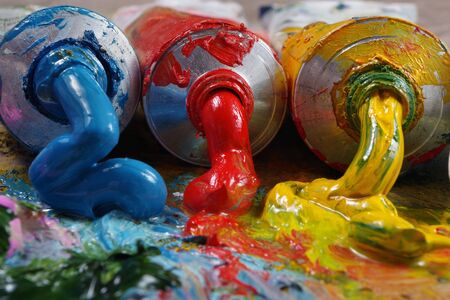
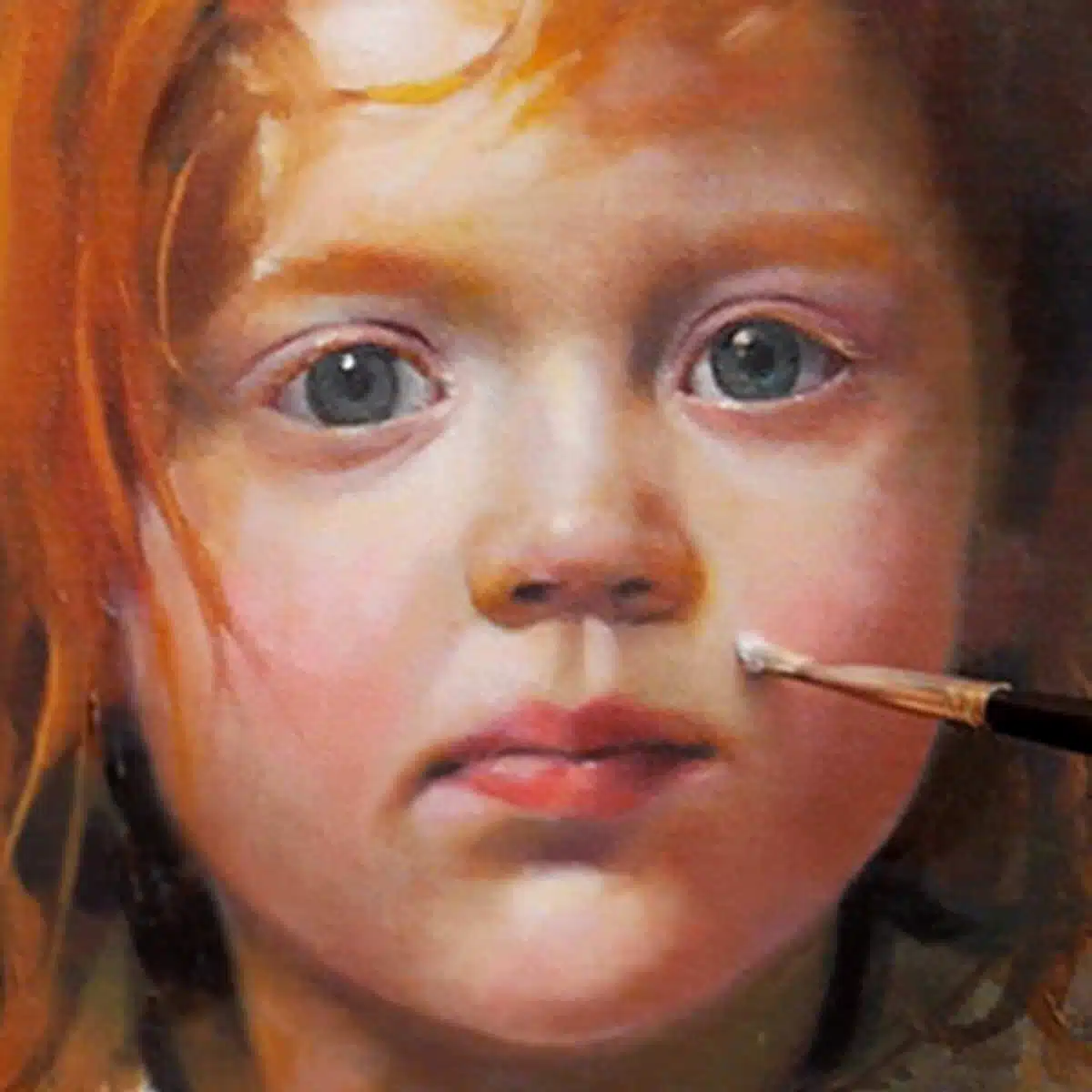
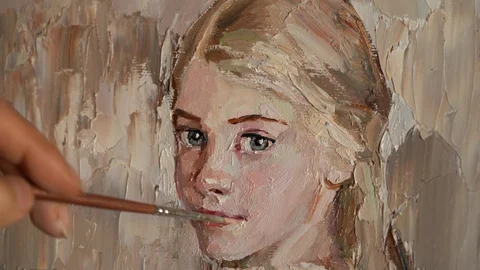
Oil painting is considered by many to be the queen of all pictorial techniques. Its origin dates back to the Middle Ages, but it was not until the Renaissance that it reached its peak thanks to Flemish artists like Jan van Eyck, who perfected the mixing of pigment with drying oils.
Oil is distinguished by its ability to create intense, deep, and extremely durable colors. Its slow drying time allows working in layers, mixing tones directly on the canvas, and achieving smooth transitions impossible with other techniques.
Another of its great attractions is its luminosity. Glazes and scumbles allow for building up light effects that give portraits and landscapes an almost three-dimensional appearance.
Due to its versatility, oil has been used throughout history by artists of all styles: from detailed realism to gestural painting and contemporary abstraction.
MATERIALS
What materials are used for oil painting?
The basic materials include tubes of oil paint, bristle and synthetic brushes, palettes, primed canvases, turpentine or odorless solvents, linseed oil, drying mediums, and final varnishes. The variety of mediums allows control over transparency, sheen, and drying time.
INTERESTING FACT
Much older than previously thought.
The oldest known oil paintings were discovered in Afghanistan and date back to the 7th century A.D., demonstrating that this technique is much older than previously thought. Its resistance and durability have allowed works from over 500 years ago to maintain their vibrant colors.
Furthermore, oil was key to the artistic revolution of the Renaissance: it allowed light to be modeled in such a naturalistic way that it forever transformed the history of portraiture and Western painting.
FEATURED ARTISTS
Johannes Vermeer | Leonardo da Vinci | John Singer Sargent
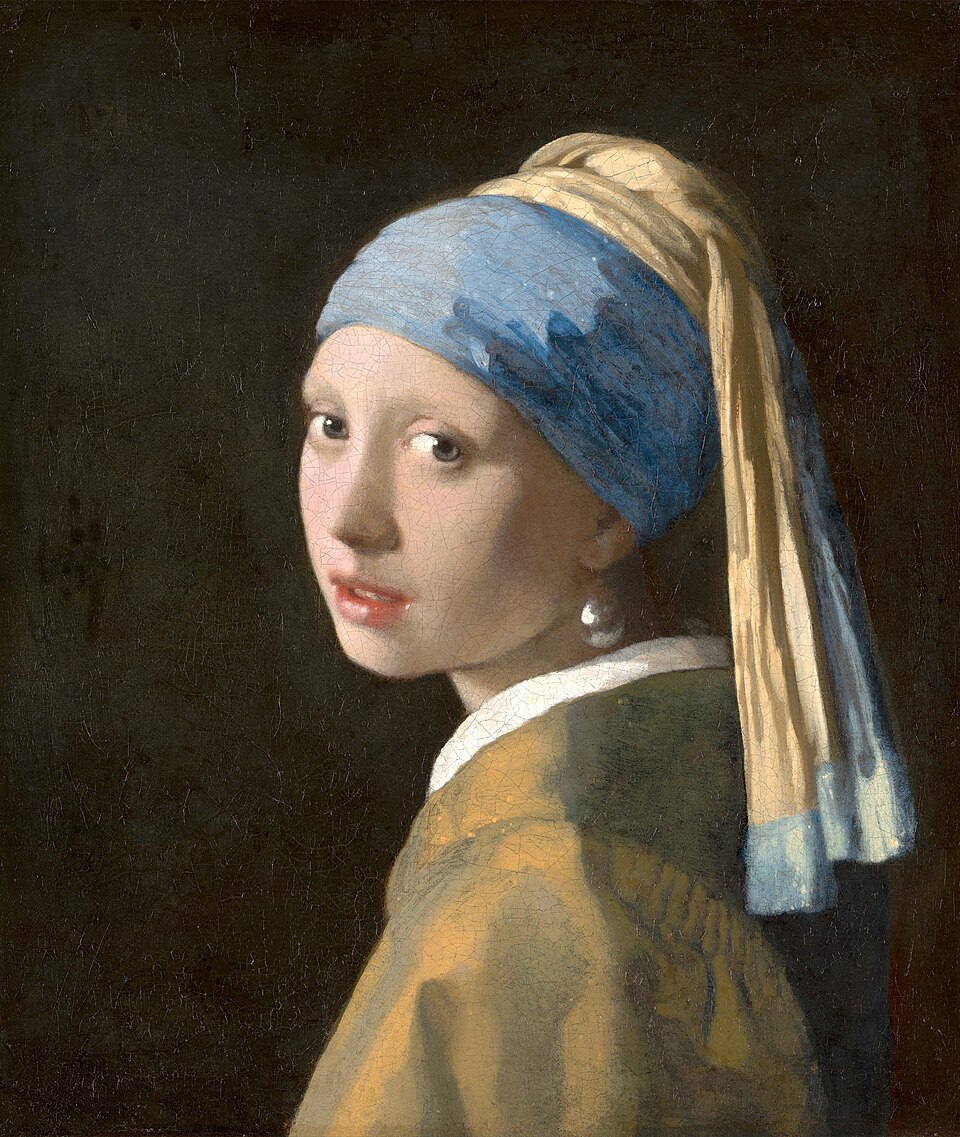
Girl with a Pearl Earring, c. 1665. (Vermeer)
Johannes Vermeer (1632-1675)
Johannes Vermeer (1632-1675) was one of the most celebrated Dutch painters of the Baroque period, during the Dutch Golden Age. He is known for his intimate scenes of domestic interiors of middle-class life, capturing a sense of serenity and timelessness; however, his most famous works are intimate studies of human figures, which function as iconic portraits due to their focus and detail.
Characteristics of the Style in his Figures:
- Luminosity: His figures appear to be bathed in a soft natural light, which often enters through a side window, creating subtle gradations in the shadows and giving volume.
- Intimacy and calm: The people in his paintings are absorbed in their activities or thoughts, creating an atmosphere of stillness and contemplation.
- Capture of expressions: Although subtle, he managed to capture facial expressions and nuanced emotions, providing a realistic and timeless connection with the viewer.
Vermeer used a meticulous approach and unparalleled technique for his human figures.
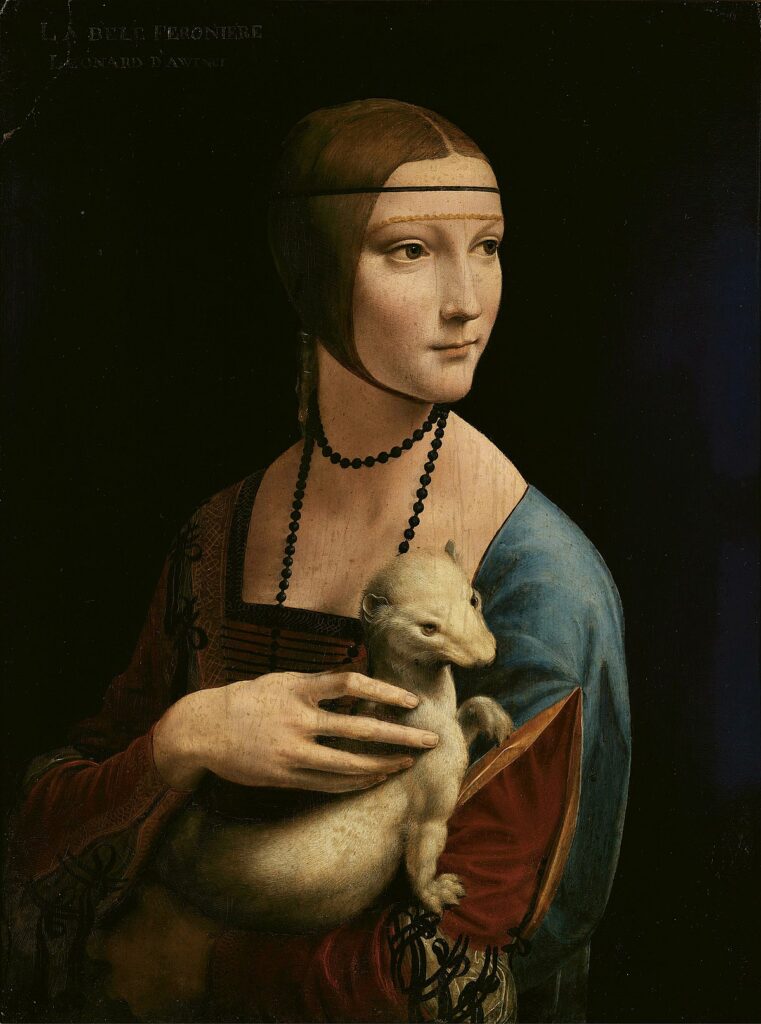
Lady with an Ermine, c. 1490. (Leonardo Da Vinci)
Leonardo da Vinci (1452-1519)
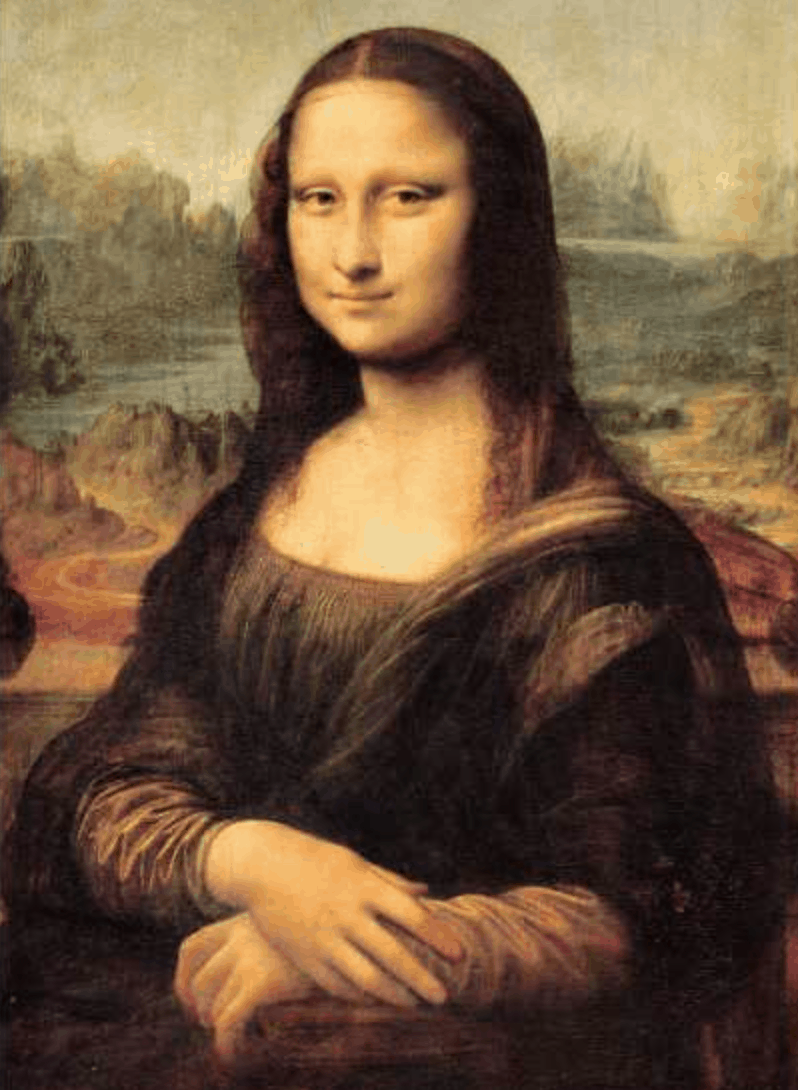
Leonardo da Vinci (1452-1519) was the epitome of the "universal genius" of the High Renaissance, a polymath who excelled as an artist, scientist, inventor, and anatomist. Although his output of completed paintings was limited, his portraits are revolutionary and are characterized by unparalleled technical mastery and deep psychological insight.
Innovations and Techniques in Portraits:
- Sfumato: This technique is his distinctive hallmark. It consists of blurring the outlines and subtly blending tones and shadows, eliminating harsh lines and creating a smooth transition between colors and light. This gives his figures an incredibly natural and lifelike appearance, as if they were enveloped in air.
- Composition and Posture: He moved away from the common profile portraits of his time and favored the three-quarter pose, which allows for greater visual interaction between the subject and the viewer, and adds a sense of depth and dynamism (as seen in Lady with an Ermine and Mona Lisa).
- Psychological Capture: Beyond physical appearance, Leonardo sought to represent the mental state and personality of the subject. His portraits are not only a physical representation but also a psychological one, which gives them an aura of mystery and humanity.
- Light and Perspective: He demonstrated a mastery of light and perspective, using light to model faces and give them volume, which contributed to their overall realism.
Leonardo's genius in portraiture resides in his technical innovations and his psychological approach.
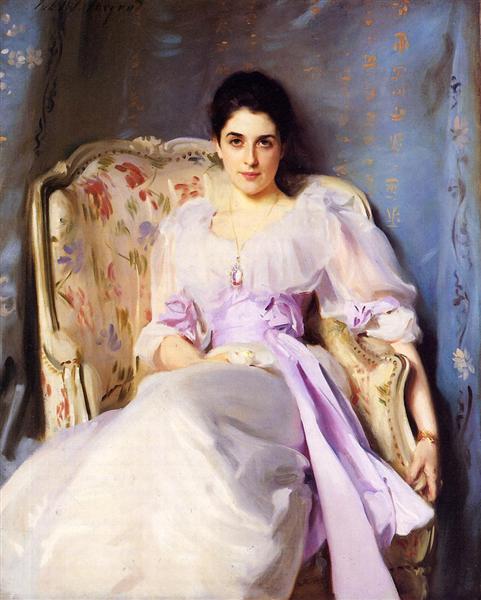
Lady Agnew de Lochnaw, c. 1892. (Sargent)
John Singer Sargent (1856-1925)
John Singer Sargent (1856-1925) was an American painter, acclaimed as the most successful portraitist of his generation and the visual chronicler of high society during the Gilded Age. His oil portraits are famous for their technical virtuosity, elegance, and the immediacy of his brushstrokes.
Oil Portraits:
- Fluid and Direct Brushstroke: Sargent rarely used detailed preliminary sketches. Instead, he applied oil paint directly onto the canvas with bold, rapid, and confident brushstrokes, managing to capture the energy and vibration of light on fabric and skin.
- Capture of Personality: Beyond physical likeness, he sought to capture the essence, gesture, and psychology of his models, who were often wealthy and famous people. His portraits are not static descriptions, but "appearances", suspended moments full of life and emotion.
- Dramatic Composition: He used unusual compositions and interesting color palettes to add dynamism and visual interest to his works, breaking with the more rigid conventions of classic portraiture of the time.
- Mastery of Textures and Light: He was a master at representing the effects of light on different materials, from glossy satin and jewelry to soft skin, using light to sculpt shapes and create a sense of opulence and realism.
Sargent was so successful and in demand that, at the height of his career in 1907, he surprised the art world by completely abandoning commissioned oil portraits to dedicate himself more to watercolor and mural painting.
ACRYLIC
Modern color, dry in seconds.
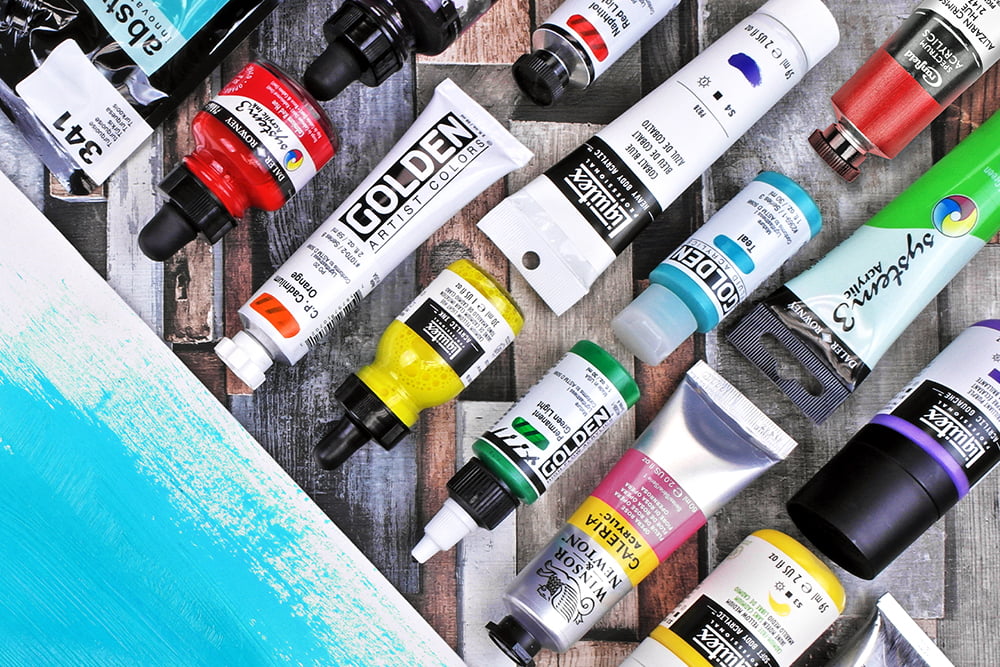
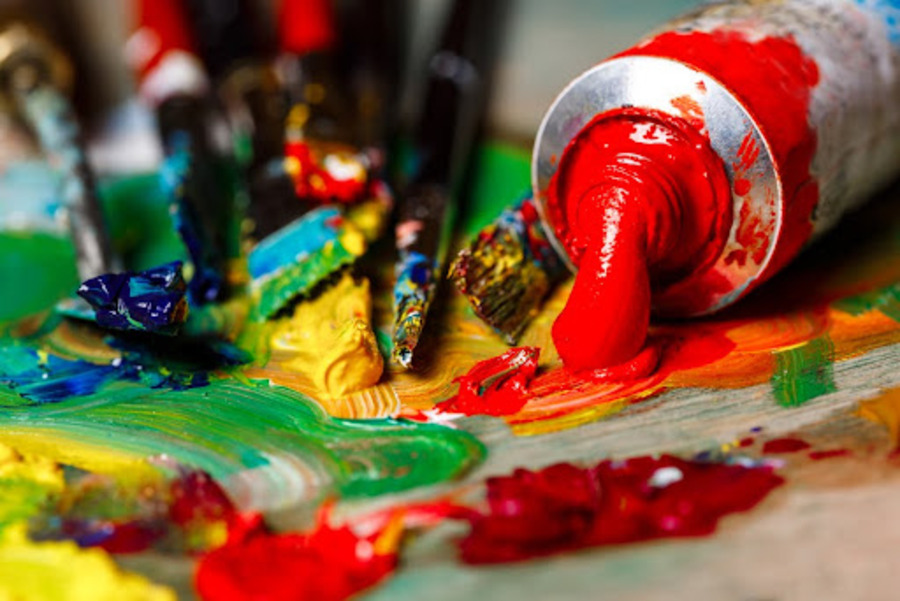
Acrylic paint is one of the youngest techniques in art history, developed in the mid-20th century. Its main characteristic is its speed: it dries in minutes, which allows for working in layers quickly and efficiently.
Unlike oil, acrylic does not yellow over time and offers vibrant, flat, or textured colors depending on the medium used. Its versatility allows for everything from smooth, transparent finishes to thick, energetic impasto.
Acrylic can also imitate other techniques. With water, it behaves like watercolor; with thickening mediums, it resembles oil. This makes it a perfect option for contemporary artists seeking dynamism.
It is ideal for graphic, abstract, or expressionist works, although it also allows for detailed and realistic portraits. Its flexibility and resistance have positioned it as one of the favorite techniques in current painting.
MATERIALS
What materials are used for painting with Acrylic?
To paint with acrylic, acrylic paints of different grades are used (student or professional), synthetic brushes, palette knives, retarding or thickening mediums, water for thinning, and supports such as canvas, acrylic paper, or wood. Its easy cleanup with water is a great advantage.
INTERESTING FACT
Invented in Mexico.
Acrylic was initially developed for mural painters in Mexico during the 1940s and 50s. Its rapid drying prevented dust from sticking to the walls and allowed for intense colors that resisted the elements. Later, artists like Andy Warhol and David Hockney brought it to the world of contemporary art.
Today, it is one of the most widely used techniques due to its compatibility with multiple surfaces, its durability, and its ease of use.
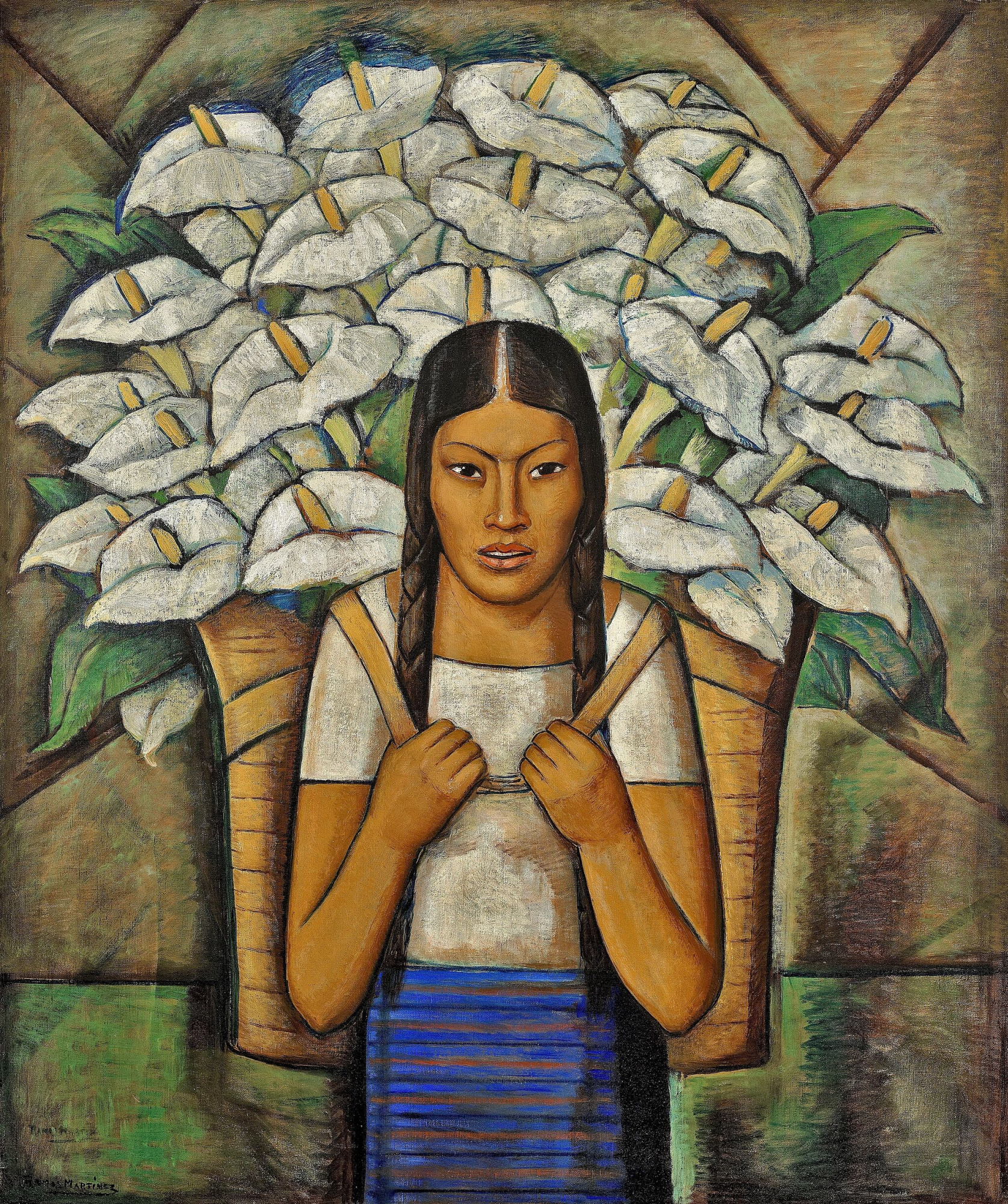
FEATURED ARTISTS
Michael Wagner | Carlos Montefusco
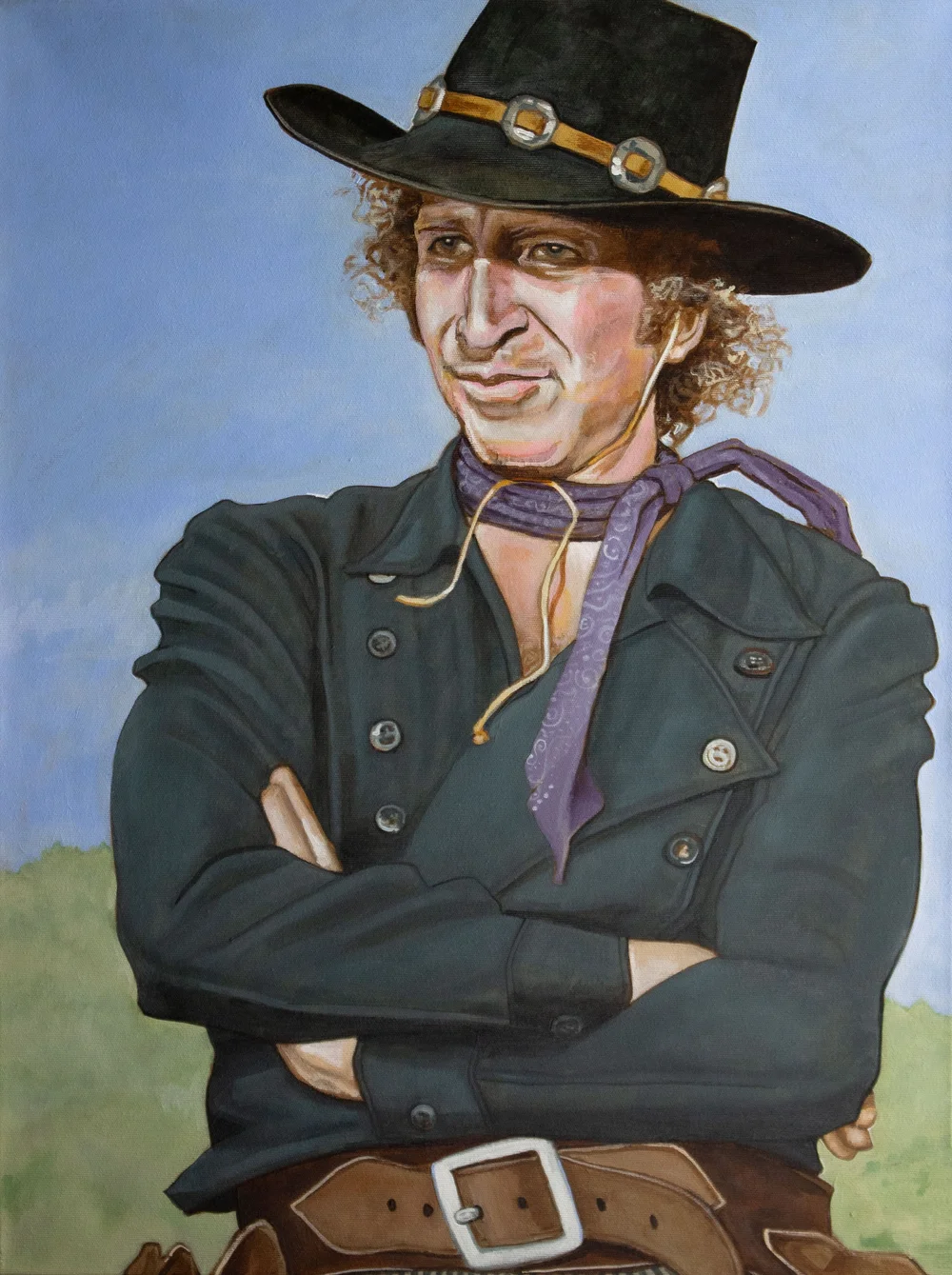
The Waco Kid (Maco) 24”x30” Acrylic on Canvas (Michael Wagner)
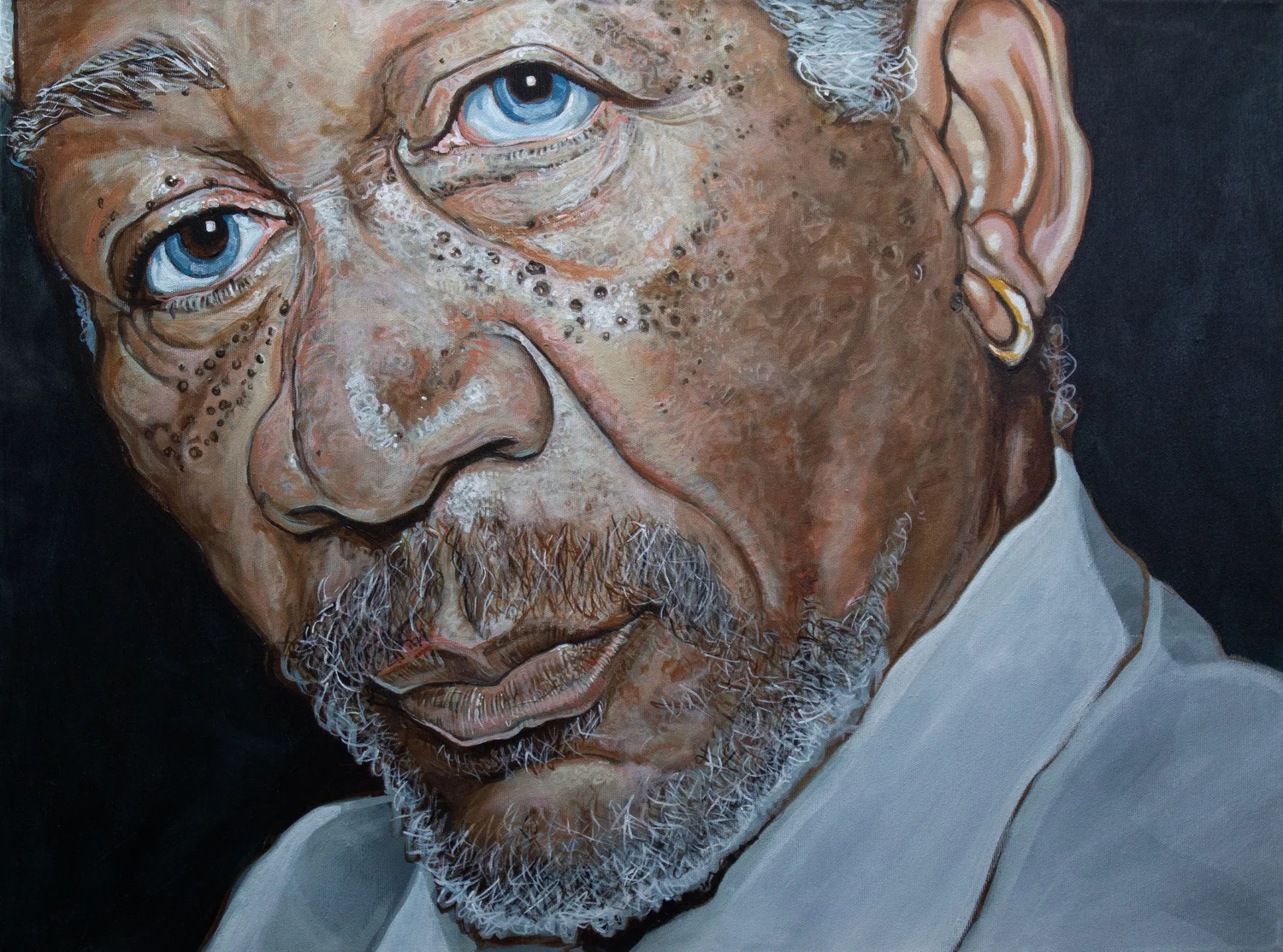
Morgan 24”X32” Acrylic on Canvas (Michael Wagner)
Michael Wagner
Michael Wagner is a contemporary American Pop Photorealism artist who stands out for his skill in portraits using acrylic paint.
Characteristics:
- Technique and Style: He considers himself a Pop Realist. His works are characterized by the use of acrylics to create detailed, colorful, and deep portraits, often of rock and music celebrities.
- Focus on Emotion and Identity: Beyond capturing the physical likeness, Wagner seeks to convey the emotion, feelings, and personality behind the face, exploring the complexity of individualism and identity.
- Layering Process: He applies paint layer upon layer, using thin glazes to achieve smooth transitions from light to shadow and give opacity and color intensity, resulting in a realistic and vibrant look.
- Influences and Experience: His background includes graphic design and, interestingly, experience as a forensic sketch artist, which has provided him with a unique combination of visual aesthetics and human psychology that he applies to his portraits.
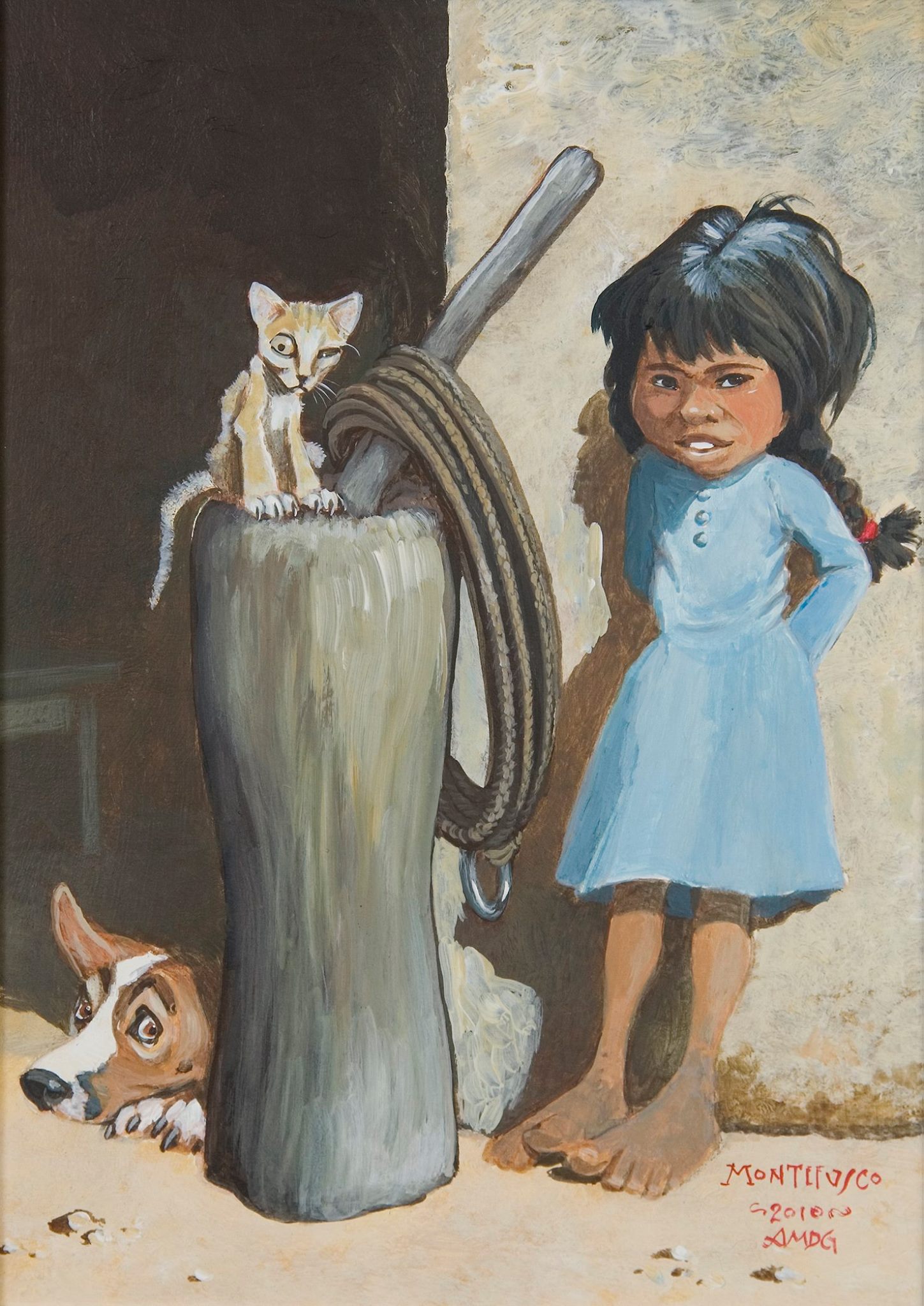
Mom, people are coming. (Carlos Montefusco)
Carlos Montefusco
Carlos Montefusco is a renowned Argentinian painter, considered a reference in traditionalist and costumbrista (customary) art in his country. He is known for capturing the essence of gaucho life and the culture of the Argentinian countryside with a distinctive style, and acrylic is one of his main mediums.
Style and Artistic Approach:
- Gaucho Theme: His work focuses on Argentinian folklore and tradition, portraying gauchos, country folk, and animals (horses, birds) with great detail and an evident affection for the subject. His paintings are a visual chronicle of rural life and its customs.
- Various Influences: Although he falls within the tradition of costumbrista painters like Prilidiano Pueyrredón or Eleodoro Marenco, Montefusco is largely self-taught, and his first artistic influences came from the world of cartoons and Disney classics, which is sometimes reflected in the almost caricaturesque expressiveness of faces and gestures.
- Meticulous Detail and Expressiveness: His works combine meticulous detail with great expressiveness, achieving a sympathetic and lively representation of traditional themes.
- Use of Acrylic: Montefusco uses acrylic on canvas or board to bring his scenes to life. Acrylic allows him to achieve a delicacy in detail that is crucial for his realistic and narrative style, capturing the atmosphere and light of the Argentinian countryside with colors that highlight the textures of clothing, animals, and the landscape.
Carlos Montefusco is an artist who has developed a very personal and recognizable style, using acrylic to honor and rescue Argentinian cultural tradition through images full of character and detail.